




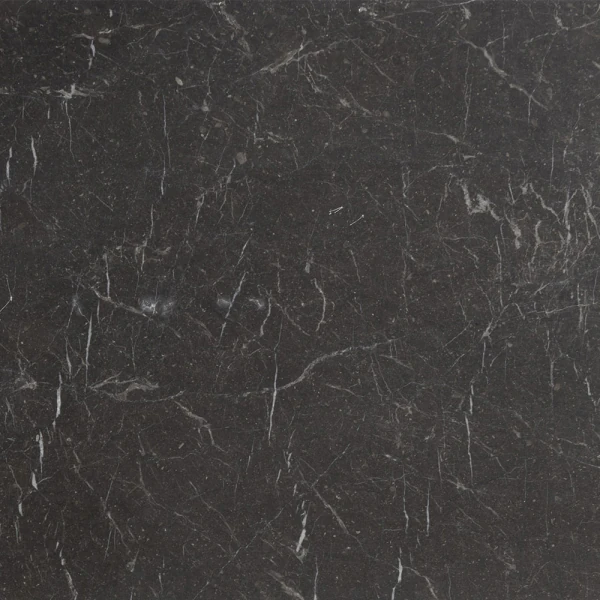
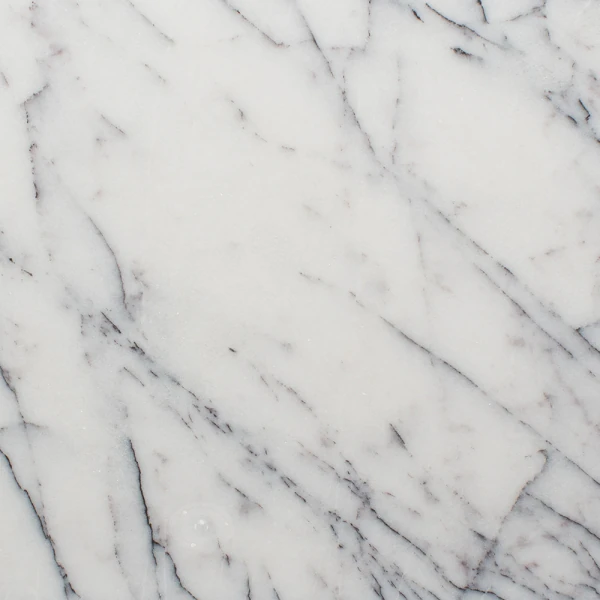
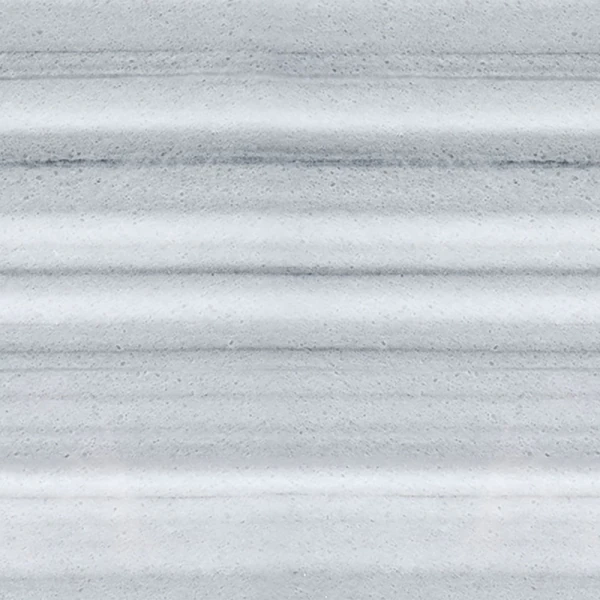

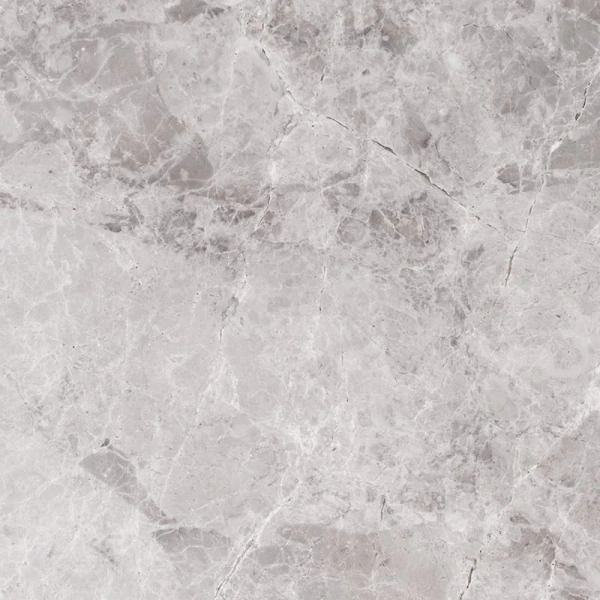


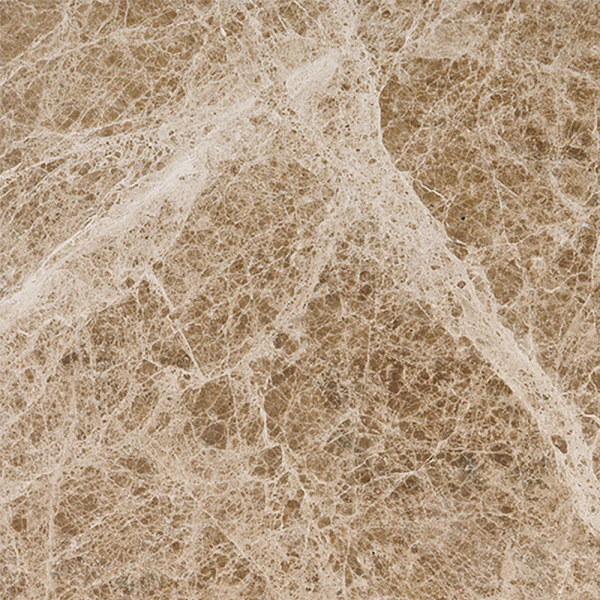
Each marble type, sourced from the quarries that dot the globe, carries the essence of the place it originates from. Whether gracing an opulent foyer or sculpted into a masterpiece that captivates the beholder, these marble types cater to diverse aesthetic sensibilities and design requirements, embodying the virtues of durability, versatility, and unmatched beauty. Through the careful selection of marble, designers and architects weave the richness of the earth into daily life, allowing each space to tell a tale as timeless as the rock itself.
Marble
Marble is a metamorphic rock that originates from the purest forms of limestone. Under the immense pressure and high temperatures deep within the Earth, limestone undergoes a transformation, crystallizing and merging into the elegant stone known as marble. This process, taking centuries to unfold, imbues marble with its distinctive veined appearance and a spectrum of colors ranging from the purest whites to the deepest blacks. Each piece of marble is a unique testament to the natural artistry and geological forces that have shaped it, making marble not just a material, but a piece of Earth's timeless narrative.
Marble’s versatility transcends its beauty, making it a favored choice across various applications that demand elegance and durability. In the realm of architecture and interior design, marble is the epitome of luxury, extensively used in the crafting of statuesque countertops, flooring that walks you through veils of history with every step, and walls that whisper the lore of its creation. Beyond its aesthetic appeal, marble finds a place in the creation of monumental edifices and sculptures that have withstood the test of time, echoing the grandeur of ages past. In the functional sphere, marble serves as a prestigious material for kitchen countertops, owing to its cool surface ideal for pastry making. Its application extends into the artistic domain, where sculptors choose marble for its workability and translucent quality, enabling them to imbue life into stone. Through its multifaceted uses, marble continues to etch its presence into the fabric of human civilization, blending functionality with the purest form of natural beauty.
Turkish Marble
Turkish marble represents the perfect harmony of nature and craftsmanship, renowned worldwide for its beauty, durability, and versatility. Sourced from Turkey's rich geological formations, it carries centuries of history, reflecting the artistry of natural forces that have shaped its unique patterns and textures. From luxurious interiors to monumental structures, Turkish marble transforms every project into a timeless masterpiece, adding a touch of natural splendor to any space.
The appeal of Turkish marble lies in its remarkable diversity, offering a rich palette of colors and intricate veining that caters to a variety of design aesthetics. Its applications are as varied as its range, enhancing elegant flooring, sophisticated countertops, and architectural accents that exude both luxury and functionality. Each piece of Turkish marble tells a story of nature's artistry, seamlessly blending with both modern and classic designs.
Infuse your projects with the unmatched elegance of Turkish marble. Explore the finest selection at Tureks, where quality meets tradition. Contact us today to discover how Turkish marble can elevate your spaces and create an enduring legacy of beauty and sophistication.
Frequently asked questions
Each marble type, sourced from the quarries that dot the globe, carries the essence of the place it originates from. Whether gracing an opulent foyer or sculpted into a masterpiece that captivates the beholder, these marble types cater to diverse aesthetic sensibilities and design requirements, embodying the virtues of durability, versatility, and unmatched beauty. Through the careful selection of marble, designers and architects weave the richness of the earth into daily life, allowing each space to tell a tale as timeless as the rock itself.
It’s important to note that the prices of marble are not solely determined by the type alone but also by factors such as finish (polished versus honed), thickness, and the intricacy of the installation required. The investment in marble goes beyond the initial purchase, encompassing a commitment to maintenance and care to preserve its timeless beauty. Marble, in its essence, embodies not just natural grandeur but also an investment in lasting luxury, enhancing spaces with its unparalleled allure and elevating them to places of enduring elegance and style.
Marble's porosity, however, necessitates mindful care and maintenance to preserve its splendor. Sealing marble surfaces is recommended to protect against stains and etching, ensuring its beauty endures through the years. Furthermore, marble’s sound insulation properties contribute to a serene and peaceful environment, absorbing sound and adding to the tranquil ambiance of any space.
In essence, marble’s combination of functional and aesthetic qualities offers a blend of practicality and beauty, making it a preferred material for those seeking to infuse their projects with a touch of nature's artistry. Its enduring appeal is not solely due to its external beauty but also its capacity to meet the multifaceted needs of daily life, standing as a testament to the harmonious intersection of form and function.
What is truly fascinating about marble's formation is the purity of the limestone and the specific conditions of metamorphism that contribute to the variety in color and veining. Impurities within the original sedimentary rock, such as clay, silt, sand, iron oxides, or chert, are recrystallized and mobilized during the metamorphic process, weaving the intricate patterns and vibrant hues that marble is celebrated for. This dynamic and somewhat capricious process ensure that no two marble pieces are exactly alike, with each slab or block bearing its own unique story of geological history and transformation.
Thus, marble stands not merely as a material option for architects and designers but as a testament to the planet's dynamic processes, embodying the beauty of change and the luxury of time. Its presence in structures and sculptures across the globe speaks to its enduring appeal, bridging the realm of natural phenomenon with human craftsmanship and artistic expression.
Marble, with its metamorphic genesis, exhibits a denser, more crystalline structure compared to limestone. This transformation imbues marble with a distinctive smoothness and a lustrous sheen that can be polished to a high gleam, a feature limestone typically lacks. Furthermore, marble often showcases vein-like patterns created by mineral impurities, offering a rich tapestry of colors and designs that limestone does not possess to the same extent.
Chemically, a simple acid test can reveal the true nature of the stone; when a few drops of dilute hydrochloric acid are applied, marble will effervesce more vigorously due to its crystalline composition of calcite. Limestone, while still reacting due to its calcareous nature, tends to have a more subdued response.
Consequently, when selecting materials for architectural or artistic purposes, these characteristics need careful consideration. Recognizing the nuanced differences enables designers, architects, and consumers alike to make informed choices that align with the structural and aesthetic demands of their projects. Marble, with its enhanced durability and remarkable beauty, is often preferred for elements where elegance and longevity are paramount, whereas limestone is sought after for its rustic charm and subtler palette.
Following extraction, these raw blocks undergo primary cutting, where they are sliced into more manageable sizes. This step is crucial for facilitating the subsequent detailed sculpting and finishing processes. The advancement in technology, including the use of gang saws and block cutters, has refined this stage, enhancing the precision with which blocks are shaped.
Polishing and finishing are what truly transform the stone into its majestic form. Through a sequence of abrasive treatments and the application of polish, the stone's inherent beauty surfaces, revealing the deep colors and unique veining that marble is known for. The intensity of the polish can be varied, offering everything from a high gloss to a more subdued, matte finish, depending on the intended aesthetic.
Through water treatment and recycling processes, the industry now places a greater emphasis on sustainability, minimizing waste and conserving water. Finally, rigorous quality control measures ensure that only marble of the highest standard reaches the market. This complex production process, from quarrying to finishing, demands a synergy of craftsmanship and technological innovation, making marble not just a product of nature, but a masterpiece refined by human ingenuity.
Equally significant is the province of Afyonkarahisar, situated in western Turkey, renowned for its vast reserves of marble. Afyon marble is celebrated for its rich color palette, ranging from the darkest blacks to vibrant reds, and everything in between. The diversity found within Afyon's quarries is unparalleled, making it a critical hub for both domestic use and international export.
In the eastern part of Turkey lies the city of Elazığ, which, although smaller in scale compared to Muğla and Afyon, produces the exquisite Elazığ Cherry marble, known for its deep red and cherry hues accented with white and light pink veins. This particular variety adds a touch of opulence and warmth to any space it graces.
These regions, each with their unique marble varieties, contribute significantly to Turkey's standing in the international arena as a source of high-quality marble. The abundance of marble in Turkey not only reflects the country's geological richness but also underscores its pivotal role in shaping the global architectural and design landscapes.